

I have a friend whose bedroom wall is covered floor-to-ceiling with Beyoncé posters. Whenever Queen Bey drops a new album, he lights a candle, updates his “Bey-hive altar,” and tweets praise into the digital ether. At first, I laughed—until I realized how genuinely ritualistic it felt. Swap out “Beyoncé” for “Aphrodite,” and it’s essentially idol worship in 2023 style.
The Rise of Secular Idolatry
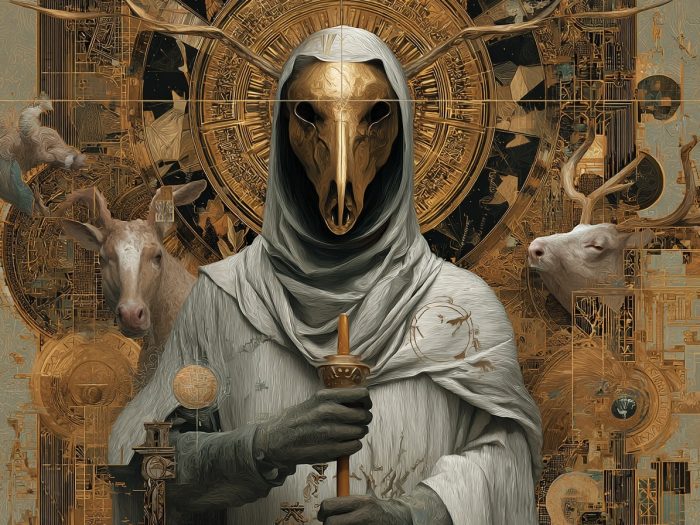
Modern fandom can look a lot like religious devotion. Look at K-pop stans who camp outside arenas for days, chanting group anthems the way monks chant mantras. Or the “Swifties,” dissecting every Taylor Swift lyric as if it were scripture. Historically, we built temples to Greek gods or prayed to Catholic saints for blessings. Now we buy concert tickets, collect vinyl, and defend our idols online with crusade-like fervor.
Why Do We Do It?
One theory is that celebrity fandom fills a spiritual void in secular societies. Sociologists Emile Durkheim and later thinkers suggested that humans crave communal rites—gatherings with shared symbols, chants, and emotional highs. A sold-out stadium concert is surprisingly akin to mass ritual. We bond, we exalt the star on stage, and we leave feeling renewed or “saved.”
Case Study: The ‘BeyHive’ Phenomenon
Beyoncé’s fanbase, the BeyHive, is notoriously protective. They’ll flood social media with wrath if critics dare insult their queen. Academic studies highlight parallels between such fan armies and religious zeal. They have rules (Don’t disrespect the Queen), community identity (#BeyHive), and even a sense of moral code (kindness, empowerment) that mirrors religious virtues.
When Fan Culture Becomes ‘Church’
Taylor Swift fans also exhibit communal worship. Fans hold “Secret Sessions” where they share personal stories of how her music changed their lives. They wear color-coded outfits for each album era, akin to liturgical vestments symbolizing different spiritual seasons. These gatherings fulfill the same emotional needs that pilgrimages or church socials did for older generations.
Are We Replacing God with Pop Stars?
It’s tempting to say yes. But is it necessarily bad? For many, these fandoms offer community, solace, and inspiration. Skeptics argue that celebrities are human, prone to scandals, and worshipping them leads to inevitable disappointment. Indeed, if you invest your entire identity in a flawed idol, a fall from grace can be devastating (see the numerous #MeToo moments in Hollywood).
A Personal Confession
I once felt an almost transcendent experience at a live music event. As the crowd sang in unison, arms swaying, tears streaming down faces, it struck me as a collective spiritual release. Yet the headliner was no saint, just a talented performer. In that moment, though, it felt real, even holy.
Finding Balance: Admiration vs. Blind Devotion
There’s nothing wrong with loving an artist’s work or finding uplift in their lyrics. The pitfall arises when fandom slides into fanaticism, where criticism becomes heresy and the pop star’s every flaw is whitewashed. True reverence, I’d argue, acknowledges humanity. We can exalt their artistry without assigning them deity status.
Pop stars may fill the same psychological space once reserved for gods, heroes, or saints. If that sense of community helps people, maybe it’s not so different from ancient ritual. Still, a healthy dose of perspective is crucial. Beyoncé can’t absolve our sins. Taylor Swift can’t solve climate change. They can inspire, but ultimately, we remain our own moral agents.
So go ahead, light a candle on your pop altar if it gives you joy. Just remember that behind the stage lights, these icons are human. Like all gods in all mythologies, they can fall. Our task is to embrace the power of the music without losing ourselves in blind worship.





Leave a Reply