
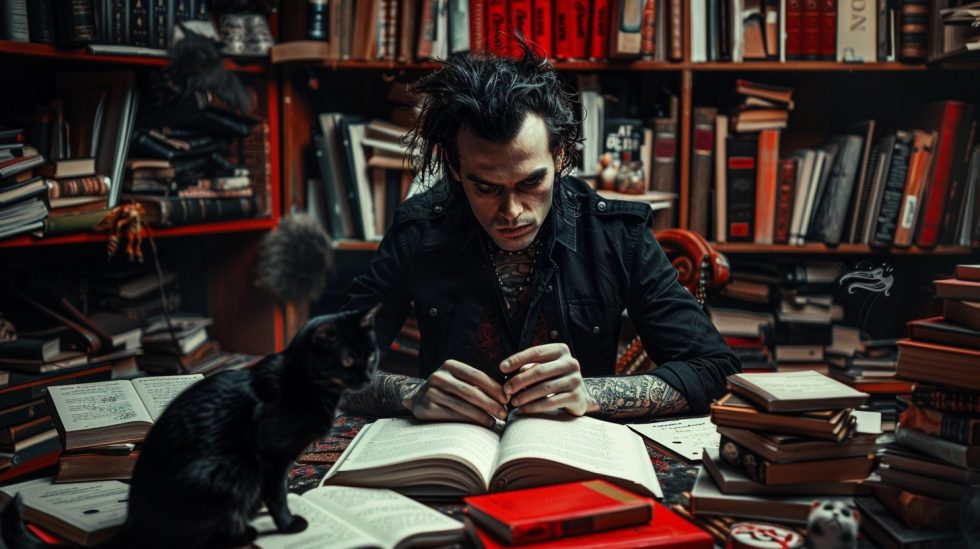
A few years ago, a neighbor mentioned that her local school board was debating whether to remove To Kill a Mockingbird from the curriculum. Some parents claimed the racial slurs made students “uncomfortable.” My neighbor was torn: on one hand, she understood the need for sensitivity; on the other, she worried that banning a classic novel about racism was ironically perpetuating ignorance rather than protecting kids. That moment, she realized, was part of a bigger tidal wave—a rising push in many communities to remove or restrict certain books deemed too controversial, too sexual, or too “radical.”
We’re experiencing a new wave of book bans across the U.S. and abroad, often spearheaded by local governments or school boards responding to vocal groups of parents and activists. They argue these books are dangerous, immoral, or inappropriate for young minds. In reality, the titles under scrutiny often address LGBTQ+ themes, race relations, or historical injustices—subjects that spark fierce cultural debates. This modern campaign to suppress literature echoes an unsettling past: the era of the Index Librorum Prohibitorum (the Catholic Church’s infamous list of banned books) and other historical inquisitions, when moral panic was used to justify censorship. Today, the buzzwords differ—words like “critical race theory,” “gender ideology,” or “obscene content” replace the heresy labels—but the underlying pattern remains.
The Surge in Book Bans
In recent years, national organizations like PEN America have tracked a sharp increase in attempts to ban or challenge books in public schools and libraries. Some states have proposed or enacted legislation that empowers parents to remove any material they find objectionable, sometimes without a formal review process. Titles like The Bluest Eye by Toni Morrison, Gender Queer by Maia Kobabe, and even older works like 1984 or The Handmaid’s Tale have been targeted. While the specific reasons vary, they usually revolve around claims that these works are “sexually explicit,” “anti-American,” or “promote unhealthy lifestyles.”
Complicating matters, these bans often coincide with broader culture-war battles. Conservative political figures may argue that certain books indoctrinate kids into a “woke agenda,” while progressive activists see the bans themselves as a form of political indoctrination—an attempt to sanitize history and stifle marginalized voices. Both sides accuse the other of censorship or moral panic, turning local school board meetings into viral flashpoints featured on national news.
Historical Echoes: The Inquisition and Forbidden Books
Though we talk about “censorship” as if it’s a modern phenomenon, it’s as old as written text. Perhaps one of the most famous precedents is the Roman Catholic Church’s Index Librorum Prohibitorum, established in the 16th century, which listed forbidden books believed to contain heretical or morally suspect content. Scholars like Galileo found themselves in hot water not just for scientific theories but for publishing works that challenged church orthodoxy. Owning or distributing these texts could lead to penalties ranging from excommunication to imprisonment, depending on the era and severity.
The logic behind the Index was framed as protecting believers from theological error. But it also served as a means of controlling thought—ensuring that only church-approved viewpoints proliferated. That’s the risk with any institution claiming the power to forbid literature: who decides which ideas are dangerous, and under what criteria? Today’s book bans may not employ the same religious language, but the tactic—shutting down challenging or dissenting ideas—is eerily similar.
We also see parallels with Nazi Germany’s book burnings in 1933, when students publicly torched texts by Jewish, pacifist, or leftist authors. Those events were fueled by a moral panic that “un-German” literature would corrupt national identity. Whenever a society collectively declares certain writings beyond the pale, we have to ask: are we defending moral values, or shutting down vital discourse?
Moral Panic Disguising Political and Religious Agendas
Calling a book “inappropriate” might stem from sincere concern—some parents genuinely worry about graphic content or hate speech. Yet moral panic often becomes a shield for deeper agendas. Books depicting LGBTQ+ characters or systemic racism can get labeled “pornographic” or “divisive,” but the real discomfort might lie in confronting perspectives that challenge traditional norms or historical narratives. By painting these themes as morally dangerous, opponents sidestep the factual or literary merits of the text.
Consider how certain titles about America’s racial history face accusations of “critical race theory propaganda.” Critics might say the content is guilt-inducing or anti-patriotic. But if you scratch the surface, you often find a reluctance to let students grapple with the complexity of the country’s past. Similarly, banning a graphic novel that addresses sexual orientation can be framed as protecting children from mature themes, but may also reflect a refusal to accept LGBTQ+ identities as normal or worthy of open discussion. The moral panic becomes a sleight of hand, redirecting attention from issues of social justice or factual history to sensational claims about “obscenity” or “indoctrination.”
Real-World Consequences for Intellectual Freedom
The impacts go beyond limiting what’s on library shelves. Students lose access to stories that might resonate with their own lives—particularly if they’re queer, a person of color, or coping with mental health challenges. Literature can provide empathy, understanding, or a sense of representation. Removing those stories can further isolate and stigmatize marginalized youth. Librarians and teachers, meanwhile, may self-censor, avoiding any materials that might spark controversy or cost them their jobs.
In extreme cases, entire curriculum units get gutted, leaving students with a watered-down version of education that sidesteps anything deemed too provocative. Over time, this normalization of censorship can erode critical thinking skills. When the range of acceptable ideas narrows, young people learn that certain topics are taboo or too explosive to handle. They may grow up less equipped to navigate complex issues or engage in nuanced debate.
Ironically, banning a book often boosts its visibility. The so-called “Streisand effect” means that any act of censorship can raise interest in the censored material, as people become curious about what’s been deemed “forbidden.” While that might sell more copies of a banned novel, it doesn’t help the students who no longer see it on their classroom reading list.
Are There Legitimate Limits?
Some argue that not all content should be freely accessible to minors—child pornography or overt incitements to violence, for instance, are widely condemned. A classroom has age-appropriate boundaries, after all. But distinguishing legitimate protection from overzealous censorship requires a careful, community-wide process—one that involves librarians, educators, parents, and possibly students themselves. Rushing to label a book “inappropriate” without reading it thoroughly or understanding its context leads to sloppy, fear-driven decisions.
Historically, many now-celebrated classics faced bans for being too subversive, sexual, or politically incorrect at the time of publication. It’s easy to imagine that in the future, the books we ban today could become tomorrow’s essential reading, lauded for their courage in portraying controversial truths.
Looking Ahead: The Fight for Intellectual Freedom
The controversies over book bans aren’t going away. In an era of sharp ideological divides and heated “culture war” rhetoric, the impulse to censor uncomfortable ideas remains strong. Yet defenders of free expression continue to speak out—organizations like the American Library Association champion the “Freedom to Read,” while educators, authors, and students rally to protest censorship attempts.
Ultimately, this struggle isn’t just about preserving a few novels with mature themes or uncomfortable truths. It’s about whether a society values intellectual freedom enough to let its citizens, especially young people, explore challenging ideas without fear of reprisal. It’s about whether we trust readers to wrestle with difficult concepts rather than hide from them.
We don’t need a modern Inquisition deciding which texts are fit for public consumption. Honest, open dialogue—where communities can debate the merits or concerns around a book—might be messy, but it respects both the complexity of literature and the intelligence of those who read it. Moral panic, on the other hand, operates best in a climate of fear and oversimplification. So the next time someone calls for a ban on a novel because it’s “dangerous,” we might do well to remember that throughout history, many of the most groundbreaking, enlightening texts have been called precisely that. It’s often in the tension of controversial ideas that true intellectual and moral growth occurs.




Leave a Reply