
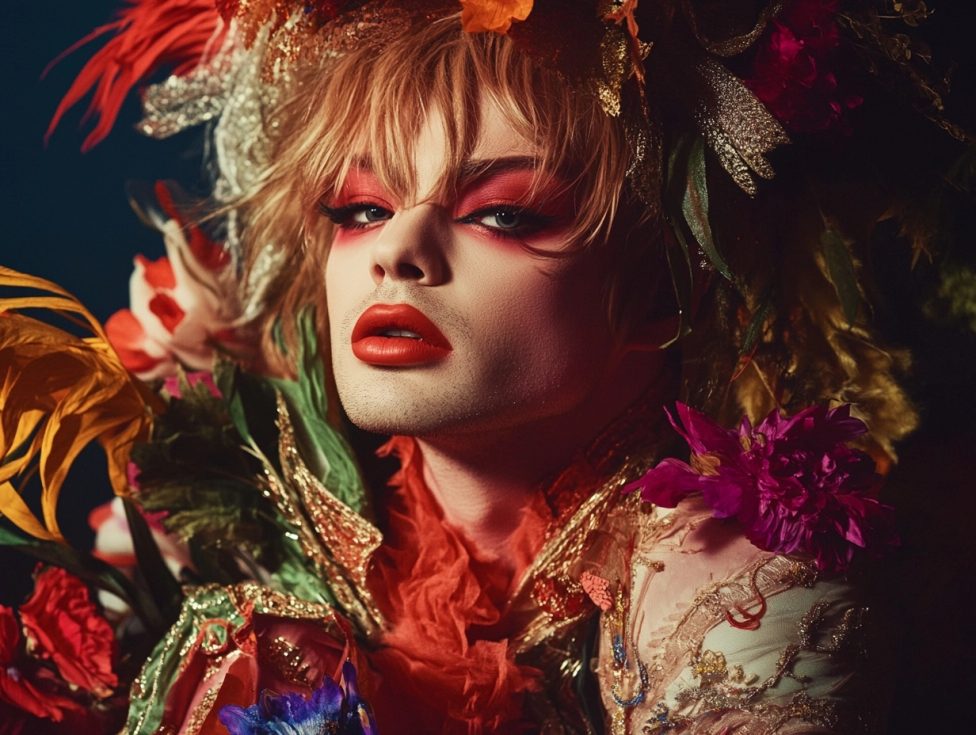
Not long ago, a local library invited a drag queen to read children’s picture books—something called “Drag Queen Story Hour.” The idea was simple enough: create a fun, inclusive environment where kids could enjoy reading time with a performer in fabulous attire. But the backlash was immediate. Protesters outside held signs declaring it a gateway to “sexual perversion,” accusing librarians of grooming kids. On social media, angry posts claimed these events were part of a larger “satanic agenda.” If you squint, the uproar feels eerily reminiscent of the 1980s Satanic Panic, when conspiracy theories about cults and demonic influence spread like wildfire. Have we really come full circle?
A Brief Flashback: The Original Satanic Panic
To understand why the current controversies echo an older phenomenon, it helps to revisit the moral hysteria of the 1980s. Back then, sensational media stories and a handful of dubious “expert” testimonies led people to believe secret satanic cults were everywhere. Daycare providers were accused—often without evidence—of conducting elaborate rituals involving children. Popular cultural items like Dungeons & Dragons and heavy metal music were demonized as recruitment tools for the occult. Though many allegations were later debunked and convictions overturned, the “Satanic Panic” revealed how fear and misinformation could hijack public discourse.
That climate thrived on moral anxiety: the fear that innocent children were being corrupted, that dark forces lurked behind ordinary pastimes. Church groups, talk shows, and sensationalist news reports stoked the flames, with claims that ritualistic abuse was rampant. In reality, no organized satanic conspiracy of that scale was ever proven. Yet the damage—ruined reputations, wrongful imprisonments, community paranoia—was done.
Today’s Targets: Drag Queens and Pride Events
Flash forward to the present, and some of the same rhetorical patterns emerge. Now the perceived “other” isn’t necessarily heavy metal fans but LGBTQ+ people and drag performers. In certain corners of social media, you’ll find conspiracy theories describing Pride parades or drag shows as demonic or part of a plot to sexualize children. Phrases like “child grooming” get thrown around loosely, even if the events in question are PG-rated or no different from a clown or princess-themed reading hour.
Opponents argue they’re just protecting children from inappropriate influences. Yet many drag queen story hours specifically feature age-appropriate storytelling—no raunchy jokes, no sexual content. Performers dress colorfully or whimsically, more akin to Disney villains or cartoon characters than anything overtly sexual. Still, the moral panic narrative persists: these events are labeled as an assault on traditional values, a thin veil for something sinister.
Underneath the outrage lies a broader culture war around gender identity and sexual orientation. Critics see drag queens as symbols of that changing social landscape—a direct challenge to the notion of strict gender norms. And when societies feel those norms are threatened, they often respond by labeling the threat as evil, demonic, or unnatural. It’s the same pattern we saw decades ago: a group is demonized (sometimes literally) as a corrupting force, giving moral crusaders a rallying cry to defend “the children.”
The Anatomy of Fear-Driven Conspiracies
Why do these conspiracies catch fire so easily? Part of it is the unsettling power of taboo. Anything that challenges established norms—be it alternative music in the ’80s or gender expression today—can provoke visceral fear. People ask, “If we accept this, what else are we allowing into our society?” Fear-based narratives gain momentum in echo chambers, where each rumor amplifies the next.
Additionally, moral panics often rely on anecdotal evidence and emotional appeals rather than hard data. During the Satanic Panic, parents’ vague suspicions or children’s suggestive statements (sometimes coaxed by aggressive questioning) led to sensational headlines. Likewise, current claims about drag shows harming kids often stem from hearsay or highly selective video clips that go viral online. Any nuance—like the difference between an adult-only drag cabaret and a kid-friendly reading event—gets lost in the outrage.
Politicians and media figures sometimes capitalize on this atmosphere. In the ’80s, they held congressional hearings on “ritual abuse.” Now, some lawmakers propose banning drag performances near minors, framing it as a moral imperative. The fuel is the same: protect the innocent from an allegedly omnipresent evil. If that evil is “satanic infiltration” or “gender indoctrination,” the shape shifts, but the playbook remains similar.
Moral, Historical, and Socio-Political Layers
Peeling back the layers, this new panic around drag queens and LGBTQ+ events is about more than just the performances themselves:
- Religious Orthodoxy vs. Changing Social Norms
Many Christian conservatives feel they’re losing cultural influence as society becomes more accepting of LGBTQ+ identities. Labeling those identities or expressions as demonic recasts the cultural shift as a cosmic battle of good vs. evil, rather than a debate over civil rights or personal freedoms. - Politicization of Identity
With gender and sexuality at the forefront of legal battles—transgender healthcare bans, bathroom bills, same-sex marriage debates—cultural anxiety escalates. Drag shows or Pride events become flashpoints that symbolize broader conflicts over identity and autonomy. - Children as Moral Rhetoric
The consistent theme is “We must protect kids!” This emotional appeal overrides rational discussion. In reality, many parents who attend drag queen story hours report their kids simply love the colorful costumes and fun atmosphere, learning about acceptance and creativity in the process. But those details rarely make it into fiery social media posts warning of apocalypse. - Echoes of Historical Persecution
We can’t ignore how moral panics historically target marginalized groups. From witch hunts to McCarthyism, each generation finds a new “enemy within.” Today’s demonization of drag performances fits a well-worn pattern: demonize the “other,” claim moral high ground, and attempt to legislate them out of sight.
Who Gets Labeled “Evil”?
A telling feature of moral panics is how loosely people throw around terms like “evil” or “demonic.” In the 1980s, it was satanists lurking in daycare centers; now, it’s men in wigs reading picture books. The common denominator is a reflexive impulse to other those who deviate from the norm. By painting them as literal demons or monsters, it becomes easier to call for their silencing or erasure.
Yet labeling something demonic or satanic rarely invites calm dialogue; it’s a rhetorical sledgehammer that ends conversation. And that’s part of the problem. Once you classify an entire group or cultural practice as evil, there’s little room left for nuance or empathy. The question isn’t “Are these drag performers harming kids?” but “How can we stop evil at all costs?” That black-and-white mindset forecloses the possibility that these events might actually foster understanding or joy.
Could It Escalate?
Watching protestors at library story hours can feel surreal—like a scene from a dystopian novel, with shouts of “You’re going to hell!” aimed at people in sparkly dresses. Some worry that if these tensions escalate, more direct confrontations or violence could follow. Indeed, there have been cases of threats or harassment against drag performers and even bomb threats at libraries. In the ’80s Satanic Panic, innocent childcare workers were prosecuted, sometimes jailed. That raises the question: if we keep fueling conspiratorial thinking around drag or LGBTQ+ communities, might we see similarly unjust persecutions?
On the other side, LGBTQ+ advocates emphasize that drag has a long history in theater and entertainment—Shakespeare had men in women’s roles, after all—and it hasn’t corrupted society. Far from being a sinister phenomenon, they argue, drag is about self-expression, artistry, and celebrating diversity. Demonizing it, ironically, reveals the “darker” side of society’s fear and prejudice.
Searching for a Better Path
If the current hysteria truly mirrors the Satanic Panic of the ’80s, then history offers a lesson: moral panics burn bright but often end in regret and shattered trust. One antidote is education—understanding what drag really is, listening to actual experiences of parents and kids who attend such events, and relying on evidence rather than rumors.
Another solution lies in open, respectful dialogue. Instead of screaming about demons, communities could hold forums where supporters and critics of drag events share concerns. Librarians might explain the guidelines they have in place to ensure content is age-appropriate. Performers could articulate why they view this form of expression as celebratory rather than sexual. By replacing moral alarm with conversation, we might prevent misinformation from becoming a runaway train.
Final Thoughts
The parallels to the ’80s Satanic Panic are too striking to ignore. In both eras, anxiety about children’s well-being morphs into broad-brush demonization of subcultures or identities. The language of “evil,” “perversion,” or “satanic influence” sets a panic-driven tone that can overshadow reason. But while the new target may be drag queens instead of heavy metal or childcare centers, the mechanism remains the same: fear of the unfamiliar stoking calls for censorship, punishment, or eradication.
If the past is any guide, fueling paranoia about drag performances and Pride events will likely cause real harm—unnecessary distress, social rifts, even potential violence—without actually protecting anyone from real threats. And years from now, we may look back on this period with the same embarrassment many feel about the Satanic Panic: “How could we let hysteria overshadow our humanity?” Maybe we can choose a different path, one that acknowledges our discomforts without labeling people with different expressions as agents of the devil. Because once we set aside the demon costumes, real or imaginary, we might find just fellow humans searching for joy, expression, and a bit of sparkle in a sometimes gray world.



Leave a Reply