
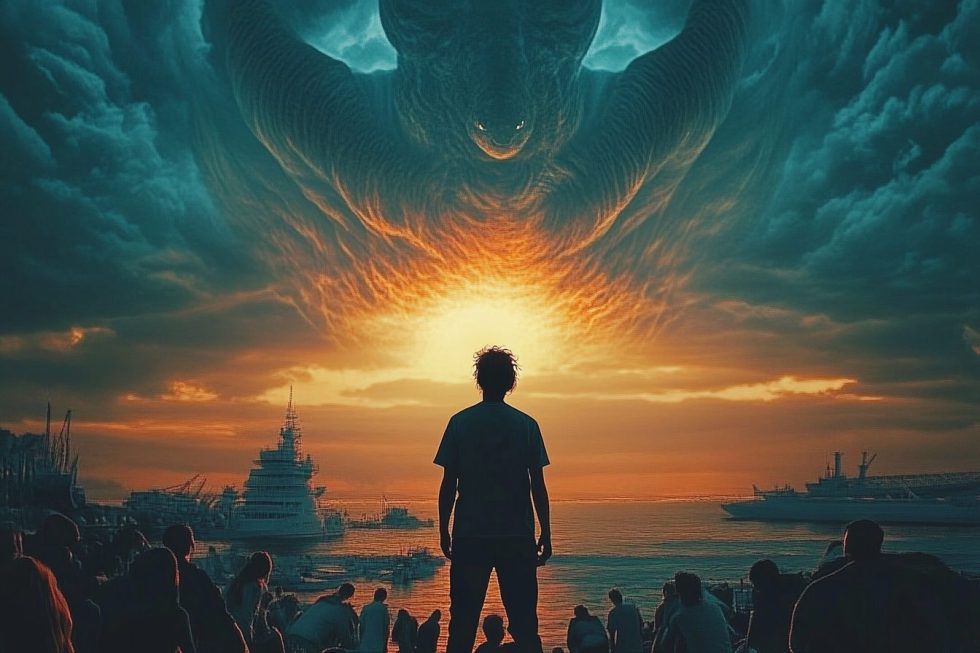
A few summers ago, I re-read the Harry Potter series and noticed something I’d glossed over as a kid: Harry isn’t just lucky or brave—he’s literally “chosen.” Prophesied by wizarding legend to defeat the Dark Lord, he’s given a fate that sets him apart from everyone else at Hogwarts. Suddenly, I saw echoes of that same archetype in countless other stories: Luke Skywalker in Star Wars, Neo in The Matrix, even Marvel’s heroes constantly anointed as “the one who can save us all.” These tales captivate global audiences, yet they revolve around a simple premise: one extraordinary individual, foretold by destiny, emerges to save the day. We can’t seem to get enough of it.
A Tale as Old as Myth
The “chosen one” trope didn’t begin with Harry Potter or Marvel. It’s a cornerstone of mythic storytelling stretching back through history. Ancient Greek myths had heroes like Perseus or Theseus, often blessed by gods or born under special circumstances. The Hebrew Bible recounts prophets singled out by God—Moses, for instance, tasked with leading the Israelites out of Egypt. Religious texts, folktales, and epic poems worldwide echo this pattern: a remarkable individual set apart by prophecy or divine will.
Joseph Campbell famously called it the “monomyth” or the hero’s journey—a universal narrative where a protagonist embarks on an adventure, faces trials, and returns transformed. Yet the chosen-one narrative goes a step further, weaving destiny into the hero’s DNA, so to speak. It’s not enough that the hero is brave or skilled; they’re singled out by fate. This blend of personal agency and cosmic significance can be downright intoxicating for an audience. We get all the tension of a mortal’s journey with the extra spark of supernatural importance.
The Psychological Comfort of Being Special
Why does this storyline resonate so powerfully? Some say it speaks to our deep-seated desire to be chosen—to matter in a vast, indifferent universe. Life can feel random; we want assurance there’s a grand design and that we play a crucial part in it. “Chosen one” stories validate that yearning. They say, “You’re not just another face in the crowd; you have a purpose.” That idea can be profoundly comforting, especially when we grapple with feelings of insignificance or powerlessness.
In modern pop culture, this trope often pops up when characters are teenagers or young adults—Harry Potter, Percy Jackson, Katniss Everdeen in The Hunger Games (though she’s more reluctant than prophesied). Adolescence is rife with self-discovery, insecurities, and a longing for identity. To find out you’re secretly destined to save the world? That’s a teenage daydream given narrative form. It reassures us that our struggles might be pointing toward a hidden greatness.
Yet there’s also an element of escapism. Real life rarely hands us prophecies or magical swords. We face mundane challenges—rent, commutes, unfulfilling jobs. Consuming chosen-one tales lets us vicariously experience cosmic significance. We imagine there’s more to our everyday existence than meets the eye, that we might be the hero of a story yet to unfold.
From Messianic Religions to Fantasy Franchises
Another reason this trope persists is its connection to messianic religious frameworks. Christianity posits Jesus as the chosen Messiah, born to redeem humanity. Islam has prophecies about the Mahdi. Even non-Abrahamic systems sometimes feature predicted saviors—like the prophesied Kalki in Hinduism. These theological roots underscore how deeply the chosen-one concept is intertwined with humanity’s spiritual quest for salvation or cosmic justice.
Fantasy and sci-fi franchises borrow liberally from these sacred narratives. Dune has Paul Atreides, the prophesied Kwisatz Haderach. The Matrix gives us Neo, labeled “The One.” The language of prophecy, destiny, and chosen status taps into the same emotional bedrock that religious stories do. It’s no wonder fans treat certain pop-culture heroes with near-religious reverence. Think of the fervor around Marvel’s Avengers, where individual heroes (like Thor, literally a god) and the team collectively carry the weight of saving the universe—again and again.
The Dark Side: Are We Offloading Responsibility?
While it’s comforting to dream of a destined savior, there’s a potential downside: complacency. If we internalize the idea that one special person (or group) is fated to fix everything, we might sidestep our own agency. In reality, social change and moral progress usually come from collective efforts—ordinary people banding together, not just a single Messiah figure. If we wait for a prophesied hero, we risk inaction.
Stories themselves grapple with this tension. In Harry Potter, the prophecy suggests Harry is the only one who can defeat Voldemort. Yet he repeatedly relies on friends—Ron, Hermione, the entire Order of the Phoenix. Even the greatest chosen-one narratives acknowledge the hero doesn’t stand alone. Ironically, that collaborative spirit sometimes clashes with the messianic framing. We cheer for the singular hero but also see how crucial allies are.
Another critique: the chosen-one archetype can feel elitist. If only a select few are “special,” what about everyone else? Are we resigned to being sidekicks, victims, or nameless extras in someone else’s grand destiny? In the Star Wars sequel trilogy, for example, the revelation that Rey’s parents were “nobodies” was initially lauded for breaking the lineage-based chosen-one mold. But later retcons implied a bloodline connection to Emperor Palpatine, keeping the chosen-one dynamic firmly intact. The message: maybe you do need a special ancestry or prophecy to matter after all.
Marvel Heroes, Prophecy, and Reluctant Saviors
Marvel’s cinematic universe is rife with chosen-one vibes, even when it’s not explicit prophecy. Take Captain America: Steve Rogers receives the Super-Soldier Serum, which transforms him into a hero; it does not choose him through prophecy. Thor’s worthiness is literally measured by whether he can lift Mjolnir. T’Challa inherits the Black Panther mantle in a lineage that’s almost mystically ordained. Although these aren’t always formal prophecies, the sense of destiny remains: these heroes are singled out, tested, and given power beyond ordinary humans.
Yet Marvel also explores the burden of that calling. Thor, for instance, grapples with unworthiness after failing to stop Thanos; he’s weighed down by the notion that he was meant to protect the realms. Dr. Strange initially seeks power for selfish reasons, only to realize he has a greater calling to guard reality itself. The tension between personal choice and cosmic duty is a hallmark of chosen-one narratives.
Sometimes, the best twist on the trope is the reluctant hero: someone who wants no part of the prophecy but finds themselves sucked in anyway. Frodo Baggins from The Lord of the Rings isn’t exactly prophesied, but he is “chosen” by circumstance to bear the One Ring. He resents the burden, yet shoulders it because no one else can. In many ways, the reluctant hero feels more realistic than the gung-ho chosen one. Most of us, if told we had to save the world, would hesitate, question our abilities, or fear the cost.
A Reflection of Our Collective Needs
The chosen-one syndrome flourishes in pop culture partly because it reflects our collective desires and anxieties. In times of crisis—be it political, environmental, or social—stories about an individual rising to the challenge can bring hope. They say, “Yes, things are dire, but someone is fated to fix it.” That hope can be galvanizing. Of course, it can also be a form of escapism if we reduce societal problems to a single savior solution.
There’s also a moral dimension. Chosen-one narratives often assert that destiny demands moral purity or sacrifice. The hero might wrestle with temptation or despair but ultimately must stand for the greater good. It’s a reminder that being “chosen” doesn’t mean an easy path—rather, it intensifies the moral stakes. For audiences, it can be inspiring: we see that greatness requires not just power but integrity.
Today’s Audience: Between Myth and Reality
Modern fans live in a tension between wanting real-world change and seeing fictional heroes do it for us. We yearn for a “chosen one” in politics, climate activism, or social justice—a charismatic figure who can cut through the noise and guide us to salvation. Meanwhile, we binge-watch Netflix series where a single protagonist triumphs over shadowy conspiracies. This synergy can be uplifting or disempowering, depending on how seriously we take the fantasy.
Some storytellers subvert the trope. Series like Game of Thrones teased multiple potential saviors (from Daenerys to Jon Snow), only to dismantle expectations. This approach challenges the neat prophecy structure, suggesting real life is messier and not everyone who appears “chosen” has the moral high ground or guaranteed success. Fans sometimes balk at these subversions, craving the comfort of a definitive hero. But it’s a reminder that destiny alone doesn’t make for a just or kind ruler.
Moving Beyond “Chosen One” Fantasies
So, is it healthy to keep devouring chosen-one narratives? Possibly—there’s a reason they’ve persisted for millennia. They can teach resilience, the importance of standing up to evil, and the idea that even an ordinary person could be extraordinary under the right circumstances. But we might also ask ourselves: how do we translate those lessons into collective action, rather than waiting for a prophesied figure?
In personal life, we can tap into the sense of purpose those stories evoke. Maybe we’ll never be Harry Potter or Captain Marvel, but we can choose to believe in our capacity to make a difference. The call to adventure might be less dramatic—volunteering, organizing a local event, mentoring someone who needs guidance—but it’s a real choice, not just destiny. We’re all authors of our own narratives, even if we aren’t singled out by prophecy.
Final Thoughts
“Chosen one” syndrome persists because it satisfies something primal within us: the longing for meaning, the allure of destiny, the hope that out of the mundane can emerge a hero who reshapes the world. From ancient myth to modern blockbusters, we keep telling ourselves variations of this story, each time feeling that tinge of excitement when the hero discovers their fate.
Yet real progress often happens outside the spotlight, among ordinary people who aren’t prophesied by wands or cosmic forces. Our collective fate might hinge less on anointed heroes than on communities working together, one small step at a time. Even so, we’ll keep flocking to theaters and bookstores for tales of the prophesied savior—partly for the escapism, partly for the reminder that every life could hold something epic. Maybe that’s the paradox: we know in our rational minds there’s no chosen one, but our hearts still leap at the idea that destiny might pick any one of us to do the impossible.




Leave a Reply