
Not long ago, a 19-year-old friend confided to me that he’d been watching hours of a certain “alpha male” influencer on YouTube—someone who boasted about luxury cars, turned casual misogyny into pithy one-liners, and urged young men to “seize what’s theirs.” My friend, unsure about college and stuck in a low-paying job, found it oddly hypnotic. “He says that modern men are weak,” he explained. “He says if I want respect, I have to grab it. Honestly, part of me believes him.”
That conversation illuminated a phenomenon gripping social media: the rise of self-styled alpha influencers—often men who claim to have cracked the code on success, dominance, and sometimes even spiritual purpose. Their videos rack up millions of views, typically featuring a charismatic host talking directly into the camera, offering a “gospel of masculinity” that promises power, wealth, and respect. For young men feeling disaffected or overlooked, the message can be deeply alluring. But critics worry these influencers peddle a toxic brew of sexism, aggression, and hyper-individualism that strains the boundaries of moral or religious justifications.
A New Type of “Gospel”
The alpha influencer phenomenon isn’t exactly new—self-help gurus have been around for decades, urging men to reclaim “lost masculine traits.” The difference now is social media’s algorithmic push. Platforms like TikTok, YouTube, and Instagram reward punchy soundbites and edgy statements. An influencer who shouts, “Real men don’t bow down to women!” is guaranteed to spark controversy and go viral. The lines between legitimate self-improvement advice and outright misogyny get blurred in the rush for clicks.
Many such influencers exploit moral or religious language to bolster their claims. They might cherry-pick Bible verses about women submitting to men or point to older religious traditions that champion patriarchal structures. The subtext is: “God made men to lead, and if you’re not leading, you’re failing your divine mandate.” In a world where religious institutions sometimes lose credibility among the young, these online figures step in, offering a revival-style sermon about returning to “traditional masculinity.” Only, the “tradition” they preach often skews more toward personal gain than genuine spiritual humility.
The Andrew Tate Effect
Few figures encapsulate this trend better than Andrew Tate, the outspoken British-American former kickboxer whose social media presence exploded in 2022. Tate’s brand is blunt: flaunt wealth, exude confidence, and diminish women to subordinate roles. He’s boasted about his cars and houses, claimed that men should be allowed multiple female partners, and framed women’s autonomy as an affront to “natural order.” Though repeatedly deplatformed for hate speech, his persona lingers across fan channels and repost accounts, thriving on shock value.
Younger viewers—especially those searching for guidance—can be drawn in by Tate’s apparent success. He presents himself as a no-nonsense truth-teller who rejects “political correctness” and “feminist propaganda.” For a teenager feeling ignored or emasculated by changing social norms, Tate’s swagger can feel empowering. Critics, however, point out the obvious: his rhetoric veers into blatant misogyny, encourages violence or intimidation as problem-solving tools, and dismisses empathy as weakness. While he occasionally references religion (at times flirting with a sort of quasi-Islamic identity to critique Western decadence), his moral framework seems primarily about dominance.
Tate is just one example. There are others, some more polished or intellectual, who blend evolutionary psychology, selective religious references, and entrepreneurial success stories to legitimize their worldview. The common thread is a glorification of an aggressive, alpha persona as the cure for modern men’s supposed “weakness.”
Patriarchy Repackaged
To understand the appeal, consider the pressures men face in a rapidly shifting culture. Traditional markers of masculinity—being the breadwinner, stoic resilience, the protector role—feel uncertain in an age where women excel in the workforce, gender roles blur, and emotional vulnerability is increasingly valued. Stagnant wages, automation, and college degree inflation add to the sense of dislocation for some men. When life feels rudderless, alpha influencers step in with a simple formula: “Dominate or be dominated.”
This formula often appropriates moral or religious language: “God intended men to lead,” or “It’s sinful to be passive.” Yet the moral dimension is usually thin. Biblical references or spiritual justifications serve as a veneer for a worldview that prioritizes male pleasure, financial success, and minimal accountability. Some influencers even talk about “serving God” by building wealth or subjugating women, cherry-picking verses from scripture to support hierarchical power structures. True theological inquiry—which might emphasize humility, compassion, and service—rarely surfaces in their content.
The Specter of Toxic Masculinity
Scholars define “toxic masculinity” as the cultural norms that equate being a “real man” with dominance, aggression, and emotional repression. It becomes toxic when it normalizes hostility toward women, homophobia, or the suppression of vulnerability in men themselves. The alpha influencer phenomenon can reinforce these harmful norms by celebrating behaviors that border on cruelty or exploitation.
Critics worry that if young men internalize these messages, the consequences are broad: everything from relationship breakdowns and mental health struggles (men fearing to show weakness) to real-world violence. Online communities praising alpha ideals sometimes mutate into extremist forums, scapegoating women or minorities for men’s frustrations. We’ve seen troubling cases where men who felt alienated or rejected became radicalized by misogynistic ideologies, culminating in online hate campaigns or even violent attacks labeled “incel terrorism.”
That doesn’t mean all alpha influencer fans become dangerous misogynists. Many are just confused guys looking for direction. But the content can nudge them down a path that celebrates hostility as the solution to their insecurities.
The Double-Edged Sword of Self-Improvement
To be fair, some alpha influencers blend their machismo with legitimate tips: physical fitness, financial planning, assertiveness, and so on. Men who lacked positive male role models might indeed benefit from guidance on self-confidence or discipline. There’s nothing inherently wrong with encouraging men to be strong or goal-oriented.
The trouble is the baggage attached. The same influencer who preaches hard work and self-sufficiency might also belittle empathy, scorn women who seek career success, or reduce male-female dynamics to manipulation tactics. Such toxicity can overshadow the few kernels of self-improvement wisdom. Young men may come for the confidence boost but stay for the misogynistic worldview. Or they may internalize the idea that empathy, equality, and collaboration are for “beta males.”
Are We Worshipping These Ideals?
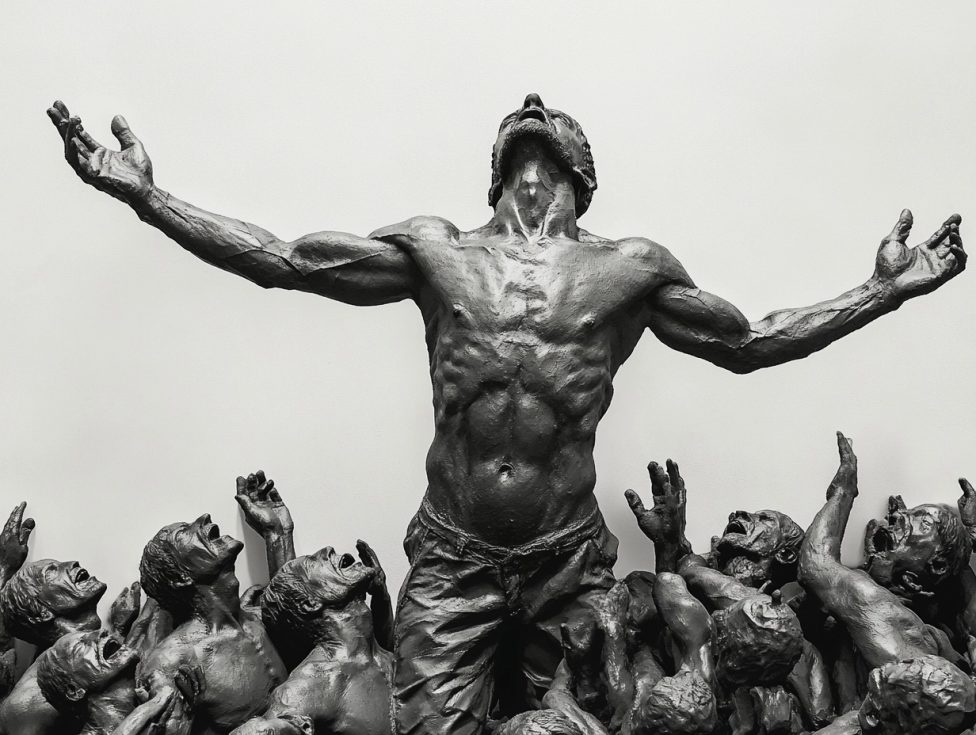
When we see followers championing influencers like Tate or other alpha gurus, we have to ask if this phenomenon resembles a form of worship—a near-religious devotion to a figure who promises salvation (in the form of wealth, women, and unwavering respect). Social media fan pages, merchandise, online courses, and echo chambers amplify that devotion. It’s not unlike a cult of personality, where dissenting voices are silenced or mocked, and the influencer’s every pronouncement is treated as sacred truth.
For some young men, this “gospel of masculinity” fills a vacuum left by shifting cultural norms and a lack of robust male mentorship. Their adoration becomes a substitute for deeper moral frameworks that emphasize mutual respect or kindness. In effect, they’re sold a reductive dream: if you follow the alpha blueprint, you’ll be unstoppable, desired, and feared. But that blueprint rarely addresses the complexities of real relationships, emotional well-being, or social responsibility.
Charting a Healthier Path
The alpha influencer wave highlights a real need: many men crave positive guidance that helps them navigate modern life without sacrificing self-respect. Yet succumbing to extremes of dominance or misogyny isn’t a healthy answer. A balanced approach might emphasize:
- Emotional Intelligence: Recognizing that empathy and communication skills aren’t weaknesses but strengths that improve relationships.
- Shared Respect: Realizing that manhood needn’t depend on dominating others; partnership, whether with romantic partners or colleagues, fosters more sustainable growth.
- Critically Evaluating Influencers: Advising young men to question the sources of their advice, seeking mentors who align with core values of fairness and mutual respect.
- Historical and Cultural Awareness: Understanding that not all traditions are worth preserving if they entrench inequality; progress requires revisiting old assumptions about gender roles.
Ultimately, masculinity can be many things—courageous, nurturing, responsible, protective—without devolving into alpha posturing. If we worship the latter, we risk breeding a culture where aggression trumps cooperation and women’s voices are sidelined.
A Moral Reckoning
In the end, the gospel of hyper-masculinity might be seductive, but it’s also hollow. Yes, it promises quick fixes and ego strokes. But a life spent in perpetual dominance mode likely leads to isolation, fractured relationships, and a stunted sense of self. We can—and should—celebrate men’s desires to be strong and competent. But strength can also mean accountability, vulnerability, and the humility to learn from others, including women.
So, are we worshipping toxic ideals? Perhaps in some corners of the internet, yes. The alpha influencers have fashioned themselves into modern prophets of patriarchy, blending moral language with personal ambition. But a healthier vision of masculinity is possible—one that values authenticity, respect, and mutual flourishing over conquest. The question is whether we, as a society, can steer young men away from the false promise of alpha dominance, toward a more nuanced, genuinely empowering form of manhood. After all, real confidence doesn’t require demeaning others; it thrives when we realize our worth without denying anyone else’s.







Leave a Reply